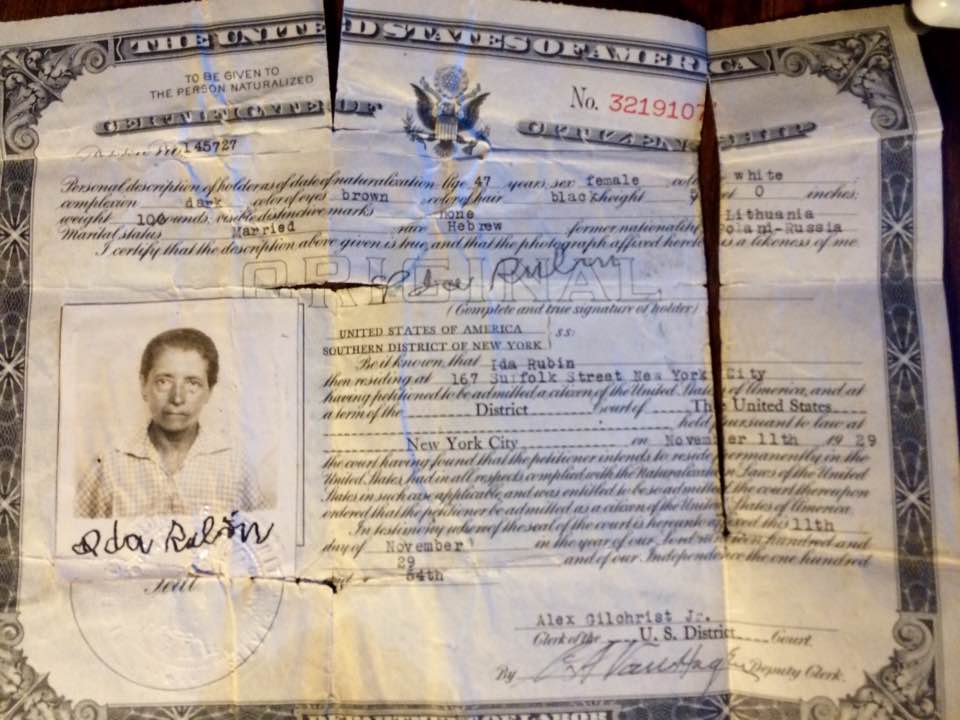
I come from blue-collar union workers.
My yichus is not aristocratic. It is organized labor.
My ancestors taught me:
- Solidarity is sacred
- Dignity comes from work
- Justice requires collective action
My rabbinic path braided together:
- Torah study
- Public policy
- Community organizing
This lineage shapes how I lead and teach.
“Lo alecha hamlacha ligmor — It is not upon you to finish the work, but neither are you free to desist from it.” (Pirkei Avot 2:16)
This teaching anchors my life and work.
My Story
I am a rabbi, educator, and social justice advocate. For decades, I have worked at the intersection of Jewish tradition and public life — teaching Torah, building communities, and organizing for justice.
My rabbinic journey has taken me across the United States. I have served congregations and communities in Massachusetts, California, and Georgia, and in recent years I have had the privilege of serving as rabbi of Congregation Dor Hadash in San Diego, as well as holding interim rabbinic positions in Atlanta. Each community has shaped me, challenged me, and deepened my understanding of what Jewish leadership requires.
I am known for bringing traditional Jewish learning into conversation with contemporary justice issues. Whether teaching Talmud or speaking publicly, I try to show how our texts illuminate questions of power, dignity, labor, and equity. My writing and commentary have appeared in outlets such as The Nation, The Forward, Sojourners, and CNN, where I explore the moral demands Jewish tradition places on public policy and communal life.
My work consistently centers inclusivity, equity, and serious community-building. I believe Torah must be accessible and rigorous, and that Jewish life must expand to fully welcome those historically pushed to its margins.
I received rabbinic ordination (s’mikhah) from the Academy for Jewish Religion in 2006. Before that, I studied public policy and economics, training that continues to inform how I analyze systems, institutions, and the structures that shape communal life. Over the years I have served in roles ranging from campus rabbi to congregational leader, and I have partnered with organizations such as the Jewish Alliance for Law and Social Action and T’ruah in advancing Jewish human rights work.
I am married to the extraordinary Yiddish vocalist Anthony Mordechai Tzvi Russell. Our shared commitment to Jewish culture, history, and justice animates both our personal and professional lives.
And yes — there is the Mustang.
In 2017, when I began serving Temple Beth Elohim in Acton, Massachusetts, a photographer captured me at the wheel of my Ford Mustang convertible. The image was distributed by Getty and circulated widely enough that some began referring to me, tongue partly in cheek, as the “Mustang Rabbi.” It is not a title I claim, and it certainly is not a theology. But the photo endures — a reminder that rabbis are human beings with histories, quirks, and, occasionally, convertibles.
Cars aside, my life’s work is grounded in Torah, community, and justice. I strive to teach with intellectual rigor, to lead with moral clarity, and to build Jewish spaces that are both spiritually serious and ethically accountable.
 Rabbi Mike Rothbaum